
Baking Bread with Over-Fermented Amazake
A small fermentation experiment that unexpectedly worked

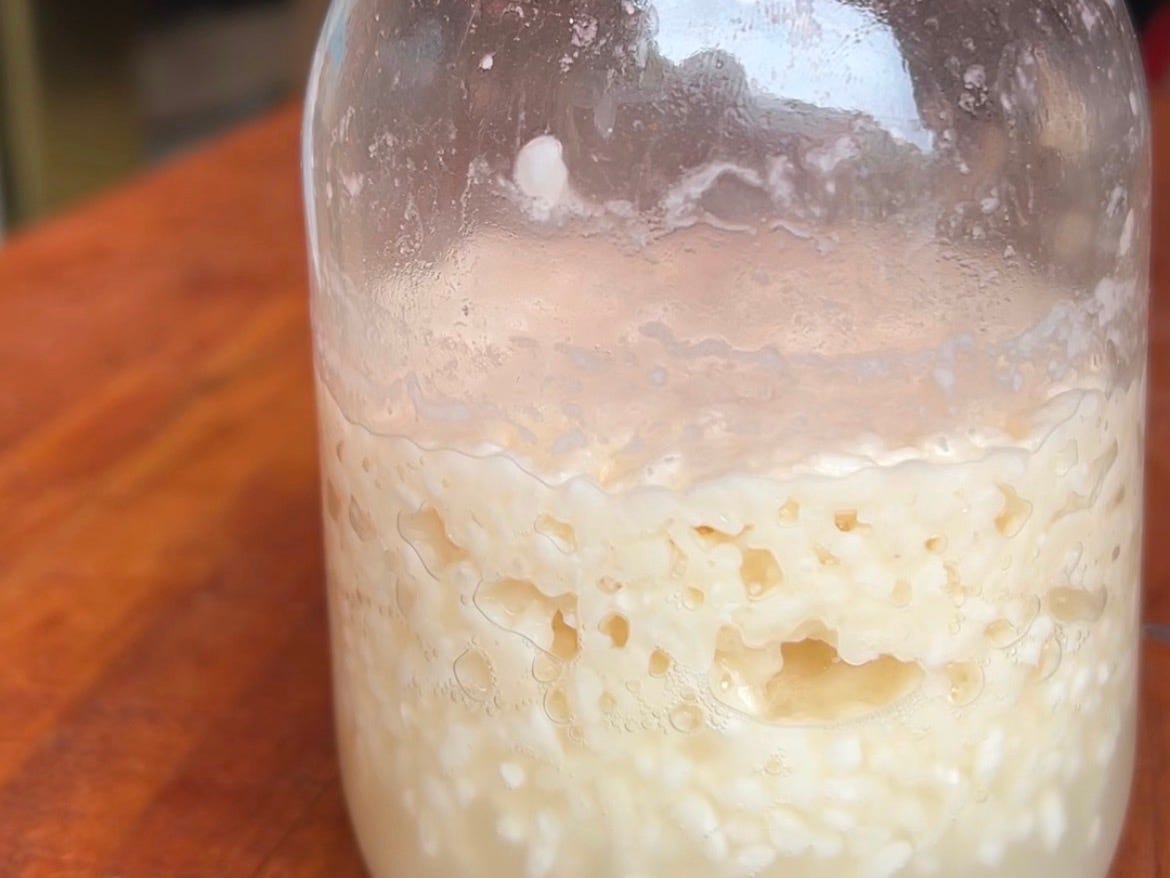
Have you ever tried Amazake? Or even made your own at home?
Making Amazake is actually quite easy.
All you need is rice koji and water.
I usually make Amazake without measuring anything precisely. I simply fill a glass jar about 60% full with rice koji, pour in warm water (around 60°C / 140°F), and keep it warm at about 55°C (131°F) for around 6 hours.
But today, I want to talk about the next stage of Amazake.
What Happens If You Leave Amazake at Room Temperature?
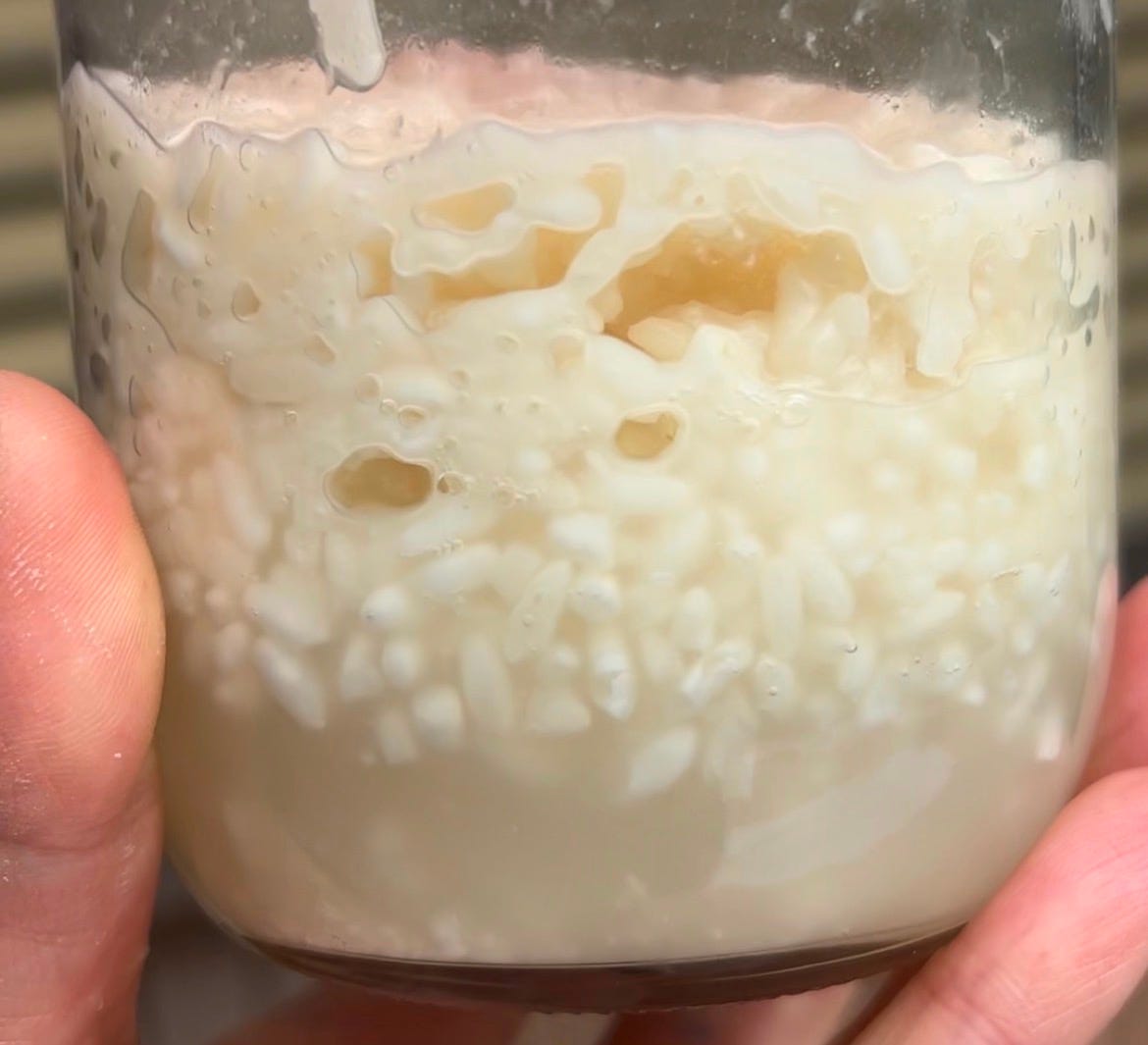
Normally, once Amazake is finished, it’s best to store it in the fridge to preserve its sweetness and flavor.
But what happens if you forget to refrigerate it and leave it at room temperature?
Does it go bad?
Does it become moldy?
Here’s what happened to mine.
After a few days, the Amazake started bubbling.
Clearly, yeast fermentation had begun.
Why Amazake Starts Bubbling
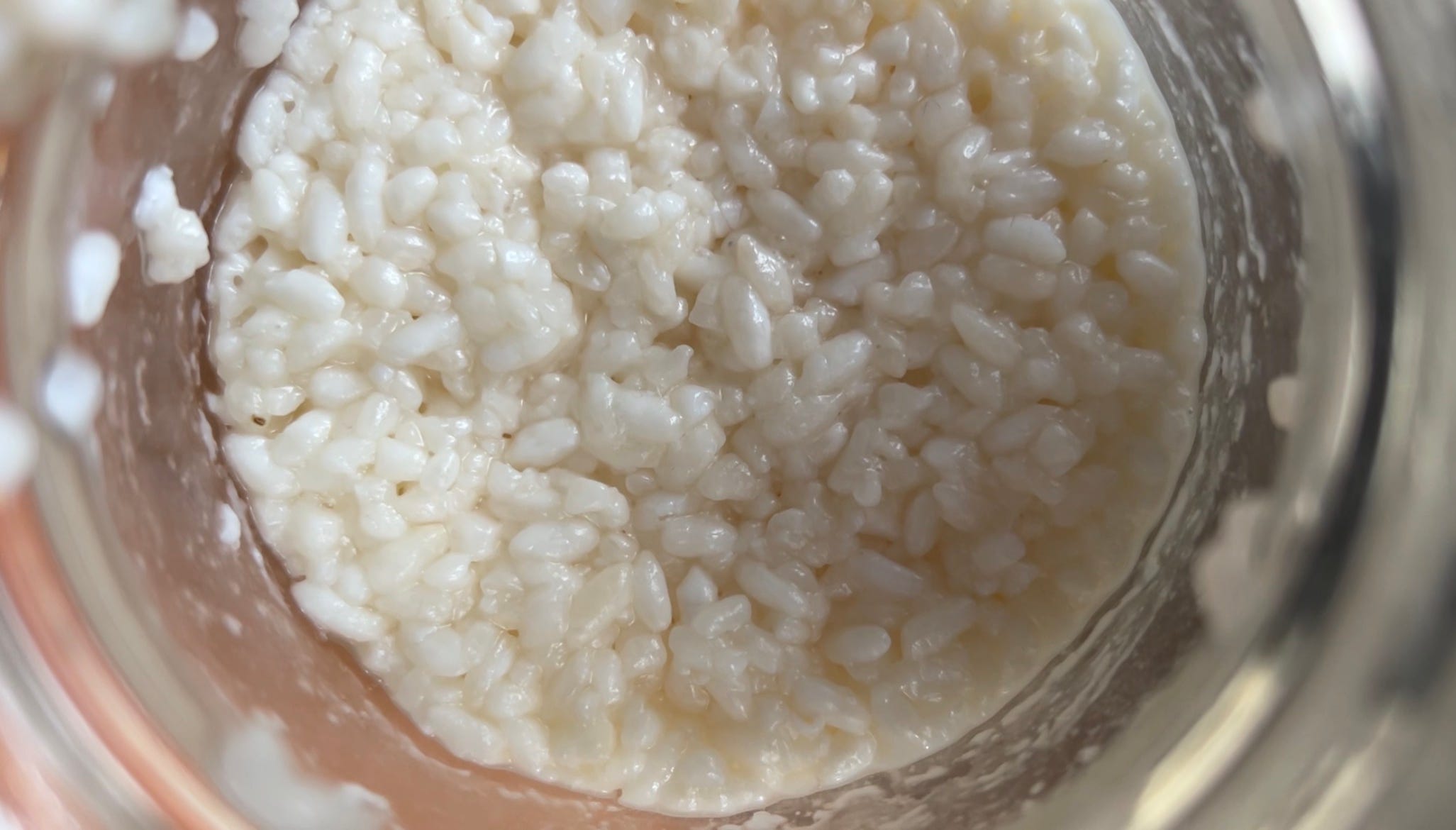
Amazake is sweet because the enzymes in koji break down the starches in rice into sugar. This process is called saccharification, and it happens especially well in warm environments around 50–60°C (122–140°F).
When Amazake is left at room temperature, wild yeast somehow finds its way into the jar — though yeast is everywhere around us anyway. The yeast begins eating the sugars and produces alcohol and carbon dioxide gas.
And this is where things become really interesting.
If your Amazake starts bubbling, you can actually use it to make bread.
Sakadane Kobo
In Japan, there is a traditional bread starter called Sakadane Kobo.
Sakadane Kobo is made in a way that is very similar to sake brewing. We use cooked rice, rice koji, and water. But unlike Amazake, we don’t apply heat. Under these cooler conditions, saccharification happens slowly while wild yeast fermentation develops naturally at the same time.
From Amazake to Bread
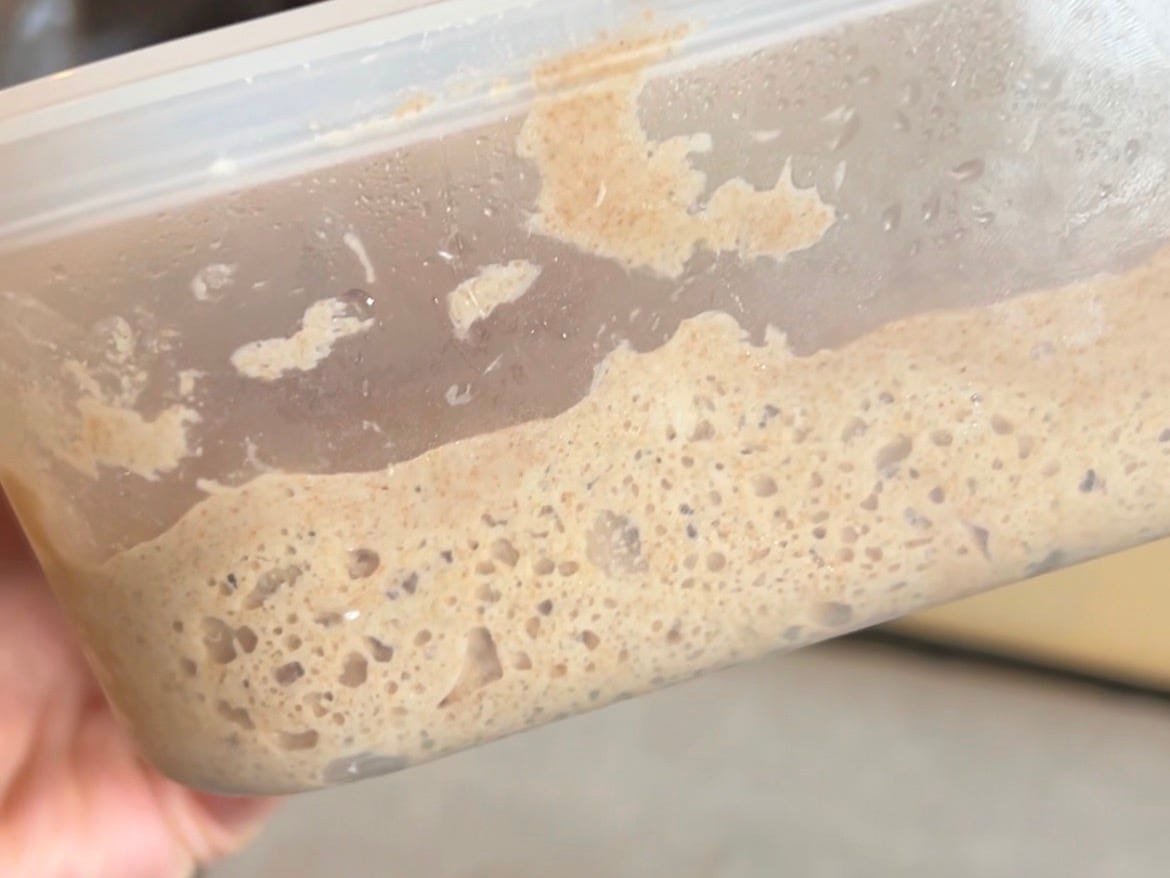
Anyway, after forgetting to refrigerate my Amazake, it became full of bubbles and looked ready to bake with.
So I decided to try.
I mixed whole wheat flour, water, salt, and the fermented Amazake together. I left the dough at room temperature for about 14 hours, then moved it to the fridge for another 5 hours before baking.
And it literally worked.
Fermentation Opens New Doors
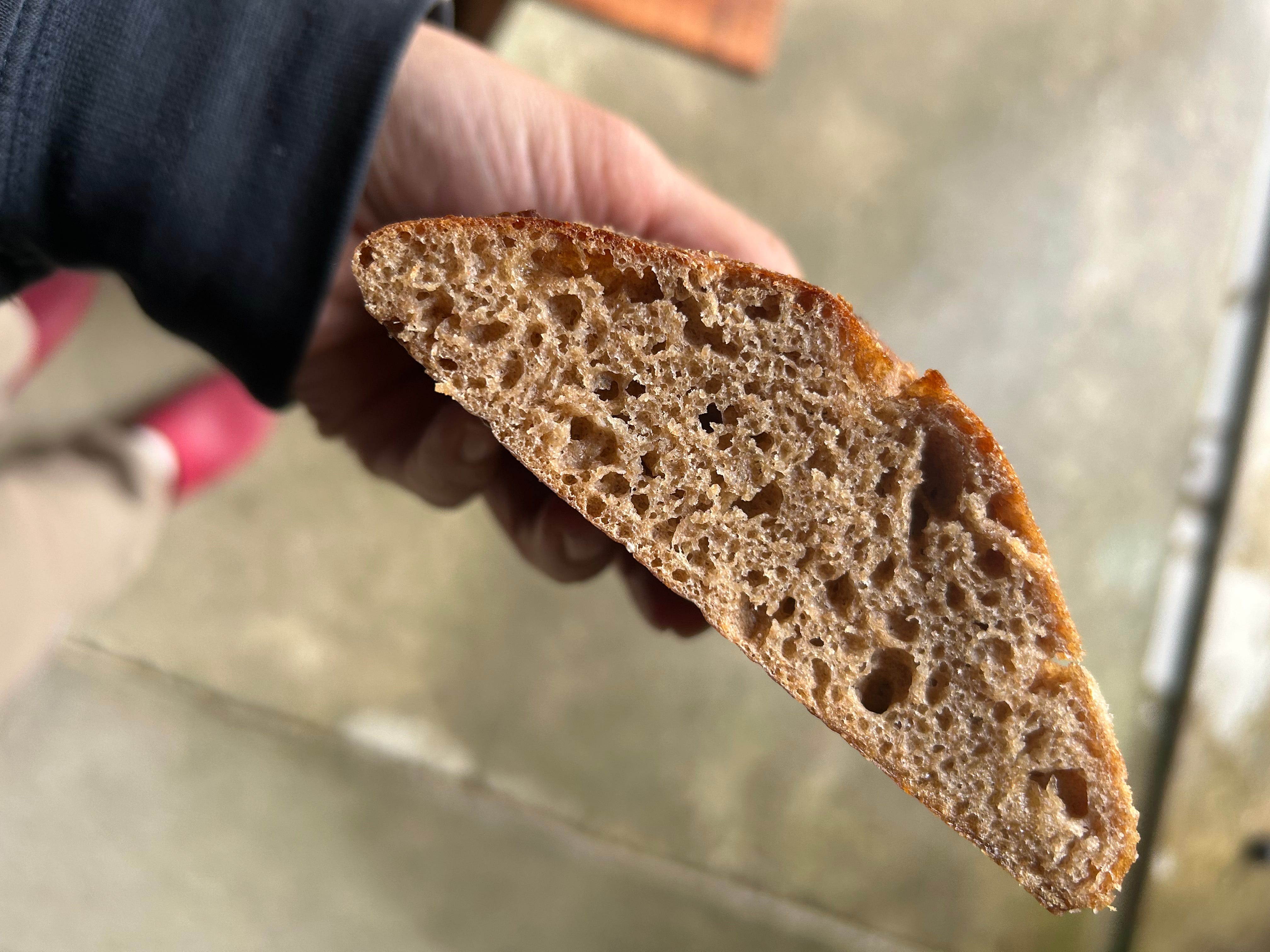
That moment felt really inspiring to me. Fermentation constantly teaches us about possibility and transformation.
If you forgot to refrigerate your Amazake and didn’t understand what was happening inside the jar, you might throw it away because you think it has gone bad.
But when you understand the fermentation process, that “over-fermented” Amazake can become bread instead.
Fermentation opens new doors.
Thank you for the inspiration, Nanase-san. I will try this out!